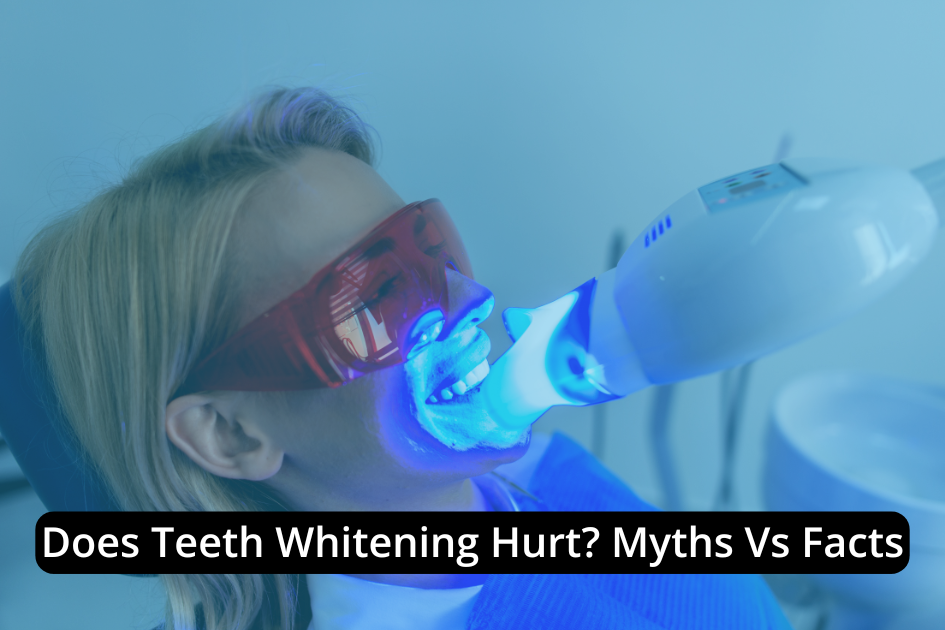
Up to 60% of people report some sensitivity during whitening, yet most episodes are mild and short-lived. We often assume pain means enamel damage, but correctly used peroxide doesn’t thin enamel, and higher strength isn’t always better. Custom trays and desensitizing gels can cut irritation dramatically, and brief treatment breaks usually resolve symptoms. Let’s separate myths from facts, compare options, and map out safe wear times, so we can decide what actually works without hurting.
What Causes Tooth Sensitivity During Whitening
Although whitening is safe when used as directed, temporary sensitivity can occur because peroxide gels diffuse through enamel and into dentin, where they transiently irritate fluid-filled tubules and the nerve-rich pulp. We also see sensitivity when the enamel is thin from age-related wear or microcracks that allow faster gel penetration. Existing gingival recession can expose root dentin, increasing responsiveness. Higher peroxide concentrations, longer wear times, and cold stimuli can amplify the effect. With custom-fitted trays, controlled gel amounts, and appropriate daily durations, we reduce risk. Most sensitivity is brief, resolving after therapy pauses. We’ll tailor concentrations to your needs and monitor comfort.
Myths About Whitening Pain Debunked
- Whitening doesn’t thin enamel when used as directed.
- Higher gel strength isn’t always better; precision matters.
- One-size trays can irritate gums; custom trays reduce risk.
- Preconditioning with desensitizers meaningfully reduces sensitivity.
Extrinsic vs. Intrinsic Stains: Why It Matters for Comfort
Because not all stains behave the same, distinguishing extrinsic from intrinsic discoloration helps us choose a whitening plan that works and feels comfortable. Extrinsic stains sit on enamel from coffee, tea, cola, or tobacco. They’re usually removed by polishing or low-intensity whitening, which minimizes sensitivity because we’re treating the surface. Intrinsic stains originate within dentin from aging, trauma, or certain medications. They often require longer contact or tailored gel concentrations to diffuse safely through enamel. When we match stain type to method, we reduce unnecessary exposure, control dehydration, and protect enamel. The result: effective lighting with fewer sensitivity spikes and predictable comfort.
At-Home vs. In-Office Whitening: Sensitivity Differences
When we compare at-home trays to in-office whitening, the key sensitivity difference comes down to gel concentration, exposure time, and dehydration. In-office systems use higher peroxide levels and lights or heat that speed penetration, which can transiently irritate the pulp. At-home gels are lower concentration, worn longer, and typically cause milder, more gradual sensitivity. Both approaches are safe when supervised.
- In-office: higher potency, shorter contact, greater risk of acute zingers.
- At-home: lower potency, extended wear, gentler sensation curve.
- Dehydration: rapid drying in-office can amplify sensitivity temporarily.
- Timing: spacing sessions allows enamel rehydration and nerve recovery.
How Custom Trays and Gels Reduce Discomfort
Sensitivity varies by method, and we can further limit it with well-designed trays and modern gels. When we fabricate custom trays, they seal at the gumline and control gel placement, preventing leakage onto sensitive tissues. Even contact reduces hot spots along tooth curves, so fewer nerve fibers are stimulated. Modern peroxides include desensitizers like potassium nitrate and fluoride, which calm dentinal tubules and support remineralization. We also select water-based, neutral pH formulations to reduce dehydration, a key trigger of zingers. Using small, measured gel amounts and timed wear (often 1–2 hours) balances efficacy with comfort. Most patients report minimal, brief sensitivity.
Opalescence Options: Choosing the Right Strength for You
Not all whitening gels are created equal, and Opalescence offers multiple strengths so we can match the concentration to your teeth, timeline, and sensitivity profile. We assess stain type (extrinsic vs. intrinsic), enamel thickness, and your response to prior whitening. Lower concentrations suit sensitive teeth and gradual brightening; higher concentrations target deeper discoloration and faster change. All options use carbamide or hydrogen peroxide with potassium nitrate and fluoride to support enamel comfort and integrity. Together, we’ll select the safest effective path for you.
- Extrinsic coffee/tea stains: moderate strength
- Intrinsic or age-related yellowing: higher strength
- First-time whiteners: conservative start
- Experienced users: step-up protocol
Safe Wear Times: Minimizing Sensitivity While Maximizing Results
Two goals guide our wear-time advice: deliver effective whitening while keeping sensitivity low. We match wear time to gel concentration and your enamel’s tolerance. With Opalescence, most adults do well at 1–2 hours per day using dentist-selected strength. Short, consistent sessions allow peroxide to diffuse into stains without overexposing dentin.
We recommend starting at the low end of time, reassessing after three consecutive days. If shade change is steady and you’re comfortable, maintain. If progress plateaus without sensitivity, extend in 15–30 minute increments. If you notice transient twinges, revert to the last comfortable duration. Custom trays guarantee even gel distribution and predictable outcomes.
Tips to Prevent and Manage Post-Whitening Sensitivity
While whitening agents can transiently irritate dentin tubules, we can prevent and manage sensitivity with a few targeted steps. Short, controlled sessions with professional guidance help the gel brighten enamel while minimizing fluid shifts within tubules that trigger zingers. We’ll pair treatment with desensitizing agents and smart home care to keep you comfortable and on track.
- Use a potassium nitrate–fluoride toothpaste twice daily; start 1–2 weeks before whitening and continue throughout.
- Apply a fluoride or potassium nitrate gel in trays for 10–30 minutes on off-days.
- Limit acidic, very hot, or cold foods for 24–48 hours post-session.
- Pause or reduce concentration if sensitivity spikes; then resume gradually.
Who Should Avoid Whitening or Consult First
Comfort strategies help most people whiten successfully, but some of us should postpone treatment or get a pre-check. We should pause if we have untreated cavities, active gum disease, cracked teeth, or significant enamel erosion. Peroxide gels can worsen sensitivity or irritate tissues. Let’s also consult first if we’re pregnant or nursing, have severe recession, exposed roots, or a history of tooth pain. People with intrinsic stains from trauma, fluorosis, or tetracycline benefit from a tailored plan. Those with veneers, crowns, or bonding won’t whiten and may need color-matching solutions. Teens with developing teeth need supervision and lower-strength options.
What Results to Expect in the First Few Days
As the whitening gel starts working, we typically notice a subtle brightening within 2–3 days, especially on the edges and lighter areas first. Early changes reflect surface stain lift and oxygen diffusion through enamel. Shade shifts aren’t perfectly uniform yet; intrinsic discoloration responds more gradually. Mild “zingers” can occur and resolve quickly. We track progress, adjust wear time, and protect sensitivity.
- Expect 1–2 shade improvement by day three with consistent use.
- Edges lighten before centers; color blends over the week.
- Avoid strong chromogens (coffee, tea, red wine, tobacco).
- Use desensitizing toothpaste and follow tray-fit instructions.
Conclusion
So yes, whitening can “hurt”, but usually only like a quick zing from a cold sip on sensitive teeth. The irony? Pain isn’t proof it’s working; proper technique is. We target stains, not enamel, and use custom trays, lower-peroxide gels, and desensitizers to keep nerves calm. Short wear times, rest days, and fluoride help protect the teeth throughout treatment. We’ll screen for cracks, recession, or high-risk conditions first. Done right, sensitivity is temporary, results are real, and comfort, not bravado, guides the plan.
Ready to brighten your smile comfortably? Book a consultation with Austin Dental Center in Austin, TX, to see if you’re a good candidate and to get a custom whitening plan.