Have we ever wondered why our teeth seem to look longer as we age? It’s not just our imagination; several factors contribute to this change. As gum tissue recedes and enamel wears down, the aesthetics of our smiles can shift dramatically. Understanding these processes is essential for maintaining our dental health and appearance. What can we do to address these changes and preserve a natural-looking smile?
Why Teeth Can Appear Longer Over Time
As we age, it’s common for our teeth to appear longer, a change often linked to gum recession that exposes tooth roots. Additionally, natural wear on tooth enamel and shifts in facial structure contribute to this visual effect. Understanding these factors can help us maintain our dental health and address any concerns about our smiles.
Gum Recession and Exposure of Tooth Roots
When we think about aging, one noticeable change is gum recession, which often exposes tooth roots. This exposure can make our teeth appear longer and affect our overall smile. Maintaining healthy gums and teeth is vital for preventing gum recession. In Austin, TX, effective gum recession treatment can help restore gum health and improve the aging teeth appearance. Regular dental care for aging teeth is fundamental, as it not only addresses recession but also guarantees we keep our smiles vibrant. Prioritizing gum health can greatly enhance our confidence and oral health as we age.
Natural Wear on Tooth Enamel
Natural wear on tooth enamel can greatly impact the appearance of our teeth as we age. This enamel wear, coupled with gum recession, often leads to the perception of longer teeth. As we prioritize maintaining a healthy smile with age, we may overlook the significance of preventive dentistry in Austin, TX. Regular check-ups can help us manage enamel erosion and protect sensitive teeth. By addressing these issues early, we can minimize the changes in our smile’s appearance. Seeking appropriate sensitive teeth treatment in Austin guarantees we retain our confidence and the vigor of our smiles for years to come.
Changes in Facial Structure and Aging
Enamel wear and gum recession not only affect our teeth’s appearance but also contribute to changes in facial structure as we age. As our gums recede, the roots of our teeth become more visible, making them appear longer. This alteration can create a sunken look, affecting our overall facial aesthetics. At the Austin Dental Center, we recognize why teeth look longer with age and offer solutions like dental crowns in Austin, TX, to restore balance. Addressing tooth sensitivity causes is essential, and our cosmetic dentistry in Austin, TX, can enhance both function and appearance, helping us maintain a youthful smile.
What Causes Gum Recession
Gum recession is a common issue that many of us face as we age, and it can stem from several factors. We should consider brushing too aggressively, the presence of gum disease, and even habits like teeth grinding. Additionally, genetics and natural aging play significant roles in this condition, making it essential to stay informed about our oral health.
Brushing Too Aggressively
When we brush our teeth too aggressively, we risk causing significant damage to our gum tissue, leading to gum recession. This practice can wear down enamel and expose tooth roots, which not only affects our smile’s appearance but may also lead to increased sensitivity. An experienced Austin, TX dentist will emphasize gentle brushing techniques, helping us maintain our natural-looking smile. Additionally, for those who grind their teeth, the combination of teeth grinding and enamel wear can exacerbate gum issues. Seeking restorative dentistry in Austin, TX, can provide solutions, including cosmetic dental treatments, to restore both function and aesthetics effectively.
Gum Disease
While maintaining good oral hygiene is essential, many of us may not realize how gum disease can lead to recession and other serious issues. Gum disease, primarily caused by plaque buildup, can damage the gum tissue and supporting structures. Let’s explore some common factors contributing to this condition:
- Poor oral hygiene practices
- Tobacco use and smoking
- Hormonal changes (e.g., pregnancy, menopause)
- Certain medications affecting gum health
- Genetic predisposition to gum disease
Understanding these causes helps us take proactive steps in our dental care. By staying informed and vigilant, we can work together to preserve our gum health and overall smiles.
Teeth Grinding and Bite Pressure
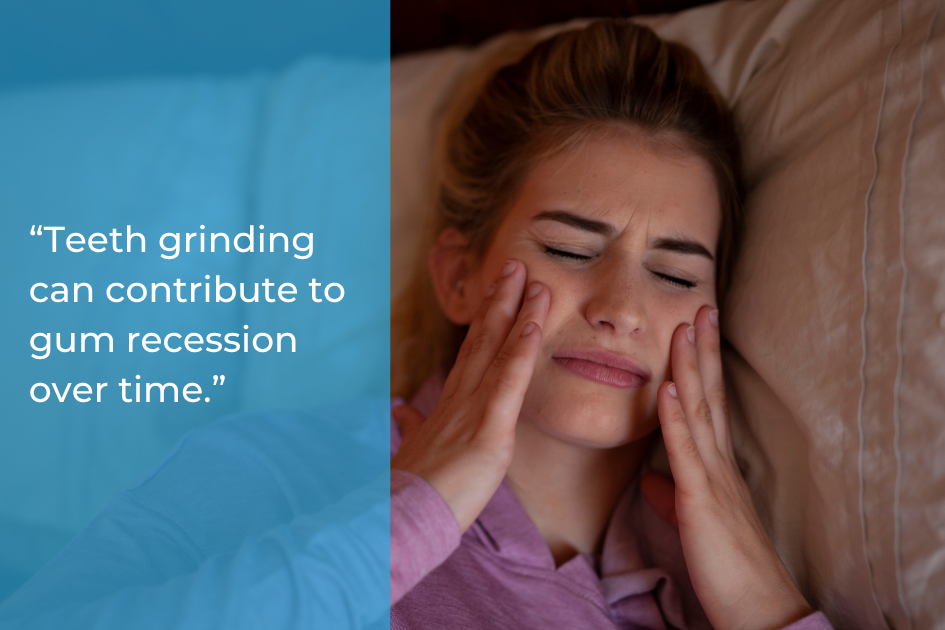
Teeth grinding, often triggered by stress or misaligned bites, can markedly contribute to gum recession. This habit exerts excessive pressure on our teeth and supporting structures, leading to inflammation and the gradual pulling back of gums. Over time, this exposure can make our teeth appear longer, impacting both aesthetics and oral health. Furthermore, persistent grinding not only damages enamel but can also create pockets between teeth and gums, fostering further recession. Identifying and addressing the root causes of grinding, such as stress management or orthodontic adjustments, is essential in preserving our gum health and maintaining a confident smile.
Genetics and Natural Aging
As we age, our genetic predispositions can greatly influence our oral health, particularly regarding gum recession. Understanding these factors helps us take proactive steps in maintaining our smiles.
- Family history can indicate susceptibility to gum disease.
- Certain genetic traits affect the strength of our gums.
- Hormonal changes may exacerbate recession in some individuals.
- Oral hygiene practices can be influenced by genetics.
- Lifestyle choices, such as smoking, can further impact gum health.
Signs Your Teeth May Be Affected by Gum Recession
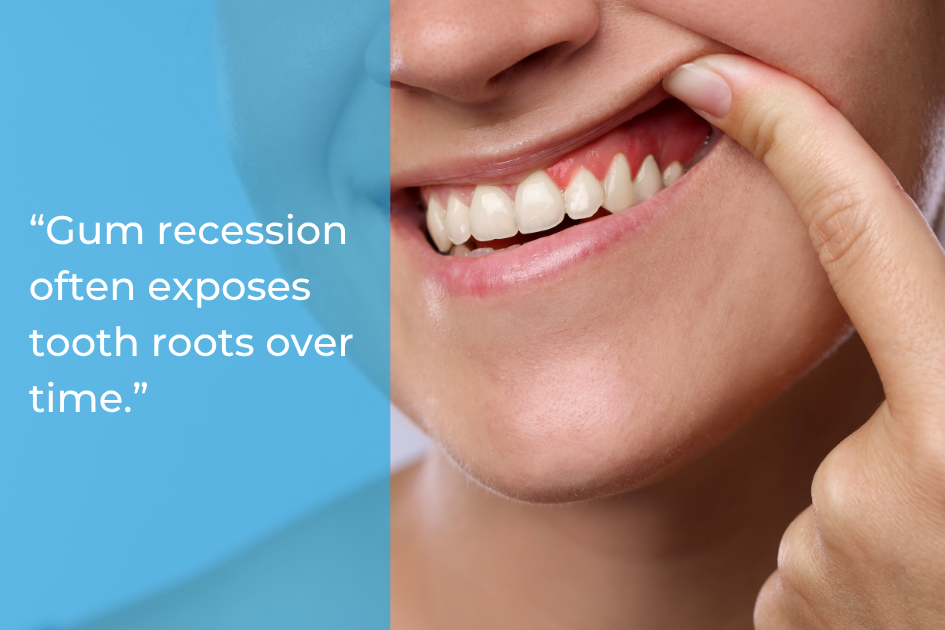
As we age, our teeth can show signs of gum recession that we shouldn’t ignore. We might notice increased sensitivity, a change in the appearance of our teeth, or alterations along the gumline. Recognizing these signs early can help us take proactive steps to maintain our dental health.
Increased Tooth Sensitivity
Have you noticed a sharp discomfort when sipping hot or cold beverages? This increased tooth sensitivity can be a sign of gum recession, where the gums pull back and expose the tooth roots. It’s important to recognize these indicators early on.
- Pain while eating or drinking
- Discomfort when brushing teeth
- Sensitivity to sweet foods
- Noticeable changes in gum position
- Frequent pain without obvious cause
Teeth Looking Longer Than Before
When we notice our teeth appearing longer than before, it often signals potential gum recession. This condition occurs when the gum tissue pulls back from our teeth, exposing more of the tooth’s surface and even the roots. We might see increased spacing between teeth or feel sensitivity. Changes in our gumline can also affect the overall aesthetics of our smile. It’s essential to monitor these changes and consult our dentist promptly. Early intervention can help prevent further recession and maintain our dental health. Let’s prioritize our oral care to guarantee our smiles remain vibrant and healthy as we age.
Changes Along the Gumline
Changes along the gumline can indicate that our teeth may be affected by gum recession. Recognizing these signs early is essential for maintaining our oral health:
- Increased tooth sensitivity to hot and cold.
- Exposed tooth roots, leading to potential decay.
- A noticeable gap between teeth and gums.
- Bleeding or swollen gums during brushing or flossing.
- A change in the alignment of teeth.
How Enamel Wear Changes the Appearance of Teeth
As we age, everyday wear and tear can notably impact the appearance of our teeth. We may notice that our teeth look shorter, thinner, or even uneven due to enamel wear, which can also increase sensitivity. Understanding these changes helps us maintain our dental health and enhances our smiles.
Everyday Wear and Tear
While our smiles may reflect our inner energy, everyday wear and tear on enamel can greatly alter their appearance over time. This gradual erosion can make our teeth look less vibrant and contribute to the perception of lengthening.
- Acidic foods and beverages can accelerate enamel loss.
- Brushing too hard or using abrasive toothpaste may worsen wear.
- Grinding teeth, especially at night, creates significant damage.
- Poor dental hygiene can lead to decay and discoloration.
- Aging naturally decreases enamel thickness, revealing more dentin underneath.
Shorter, Thinner, or Uneven Teeth
Every day wear and tear can lead to shorter, thinner, or uneven teeth, considerably affecting our smiles. As we age, enamel naturally wears down due to factors like grinding, acidic foods, and inadequate oral hygiene. This enamel loss exposes the underlying dentin, which can create a more yellow appearance and alter the shape of our teeth. Additionally, uneven wear can result from habits such as biting nails or using teeth as tools. By understanding these changes, we can prioritize preventive care and explore restorative options to maintain a harmonious and confident smile throughout our lives.
The Relationship Between Wear and Sensitivity
When we consider the impact of enamel wear on our teeth, it becomes clear that this loss not only affects their appearance but also heightens sensitivity. As enamel thins, the underlying dentin becomes exposed, leading to discomfort and pain. This vulnerability can greatly alter our daily experiences with food and beverages.
- Reduced protection against temperature changes
- Increased risk of cavities
- Greater sensitivity to sweet or acidic foods
- Altered bite force and chewing efficiency
- Potential for more considerable dental issues
Understanding these effects encourages us to prioritize enamel health and seek preventive care to maintain both comfort and appearance.
Can Gum Recession Be Prevented?
As we explore gum recession, it’s essential to recognize that prevention is key. By adopting gentle brushing techniques, maintaining healthy gums, and managing teeth grinding, we can markedly reduce the risk of this common issue. Let’s uncover how these practices can contribute to lasting dental health.
Gentle Brushing Techniques
Gentle brushing techniques can greatly impact our oral health, particularly in preventing gum recession. By adopting a thoughtful approach to brushing, we can protect our gums and maintain a healthy smile.
- Use a soft-bristled toothbrush.
- Brush in circular motions, not back and forth.
- Apply gentle pressure to avoid irritation.
- Brush for at least two minutes, twice daily.
- Replace your toothbrush every three months.
With these techniques, we can minimize the risk of gum recession, ensuring our teeth remain healthy and our smiles vibrant. Let’s prioritize gentle care to support our long-term oral health.
Maintaining Healthy Gums
Maintaining healthy gums is essential for overall oral health and can greatly reduce the risk of gum recession. We should prioritize daily practices like brushing gently, flossing, and regular dental check-ups. By using fluoride toothpaste and avoiding tobacco products, we can enhance gum health. It’s vital to recognize the signs of gum disease early, such as redness or swelling, enabling timely intervention. Additionally, a balanced diet rich in vitamins can support gum tissue. Together, let’s commit to these habits, ensuring our gums remain strong and healthy, ultimately preserving our smiles for years to come.
Managing Teeth Grinding
Many people struggle with teeth grinding, a condition that can greatly contribute to gum recession if left unmanaged. To effectively manage this issue, we can adopt several strategies:
- Use a night guard to protect our teeth during sleep.
- Practice stress management techniques like meditation or yoga.
- Limit caffeine and alcohol, which can exacerbate grinding.
- Schedule regular dental check-ups to monitor oral health.
- Discuss potential medication options with our healthcare provider.
Cosmetic and Restorative Options for Aging Smiles
As we age, our smiles may require more attention to maintain their liveliness and appearance. We can explore a variety of cosmetic and restorative options, including professional cleanings, dental crowns, and advanced treatments like gum grafting. Together, we can guarantee that our smiles remain healthy and beautiful throughout the years.
Professional Dental Cleanings and Periodontal Care
Professional dental cleanings and periodontal care play an essential role in preserving the health and appearance of our smiles, especially as we age. Regular visits help us maintain peak oral health and can prevent issues that contribute to the appearance of longer teeth.
- Removes plaque and tartar buildup
- Detects early signs of gum disease
- Promotes healthy gums and bone structure
- Enhances overall dental aesthetics
- Supports our long-term dental health
Through consistent care, we can guarantee our smiles remain vibrant and youthful, helping us feel confident at any age. Let’s prioritize our dental health together!
Dental Crowns and Tooth-Colored Restorations
When it comes to maintaining a youthful smile, dental crowns and tooth-colored restorations offer effective solutions for those dealing with aging teeth. These treatments not only restore function but also enhance the appearance of our smiles. Dental crowns provide strength to weakened teeth, while tooth-colored restorations blend seamlessly with natural enamel, making them an ideal choice for a discreet repair. By choosing these options, we can effectively address issues like wear and discoloration, ensuring our smiles remain vibrant as we age. Investing in these restorative solutions helps us maintain both our dental health and self-confidence throughout the years.
Cosmetic Dentistry Options
While aging can naturally affect our smiles, cosmetic dentistry offers a variety of options to rejuvenate and restore our dental aesthetics. By exploring these treatments, we can enhance both our appearance and self-confidence.
- Teeth Whitening: Brightens discolored teeth for a youthful look.
- Veneers: Covers imperfections, providing a flawless smile.
- Invisalign: Straightens teeth discreetly without traditional braces.
- Bonding: Repairs chips or gaps quickly and effectively.
- Contouring: Reshapes teeth for improved symmetry and balance.
Together, these options empower us to embrace our smiles at any age, ensuring they reflect our vitality and assurance.
Gum Grafting for Severe Recession
As we age, gum recession can become a concerning issue, exposing tooth roots and affecting our smiles. For those experiencing severe recession, gum grafting offers a reliable solution. This procedure involves taking tissue from another site in the mouth or using donor tissue to cover exposed roots. By doing so, we not only restore our gum line but also protect our teeth from sensitivity and decay. The benefits extend beyond aesthetics; healthier gums improve overall dental health. Consulting with a dental professional can help us determine if gum grafting is the right choice for rejuvenating our smiles and boosting our confidence.
When to See a Dentist About Changes in Your Smile
When it comes to changes in our smile, some signs shouldn’t be ignored. Recognizing these early indicators can make a significant difference in our dental health and overall well-being. Let’s discuss why timely treatment matters and how it can prevent more serious issues down the road.
Signs You Shouldn’t Ignore
Have you noticed any changes in your smile that just don’t feel right? It’s essential to pay attention to these signs, as they can indicate underlying issues. We should consult a dentist if we experience any of the following:
- Increased tooth sensitivity or pain
- Noticeable changes in tooth color or shape
- Persistent bad breath despite good hygiene
- Gums that are red, swollen, or bleed easily
- Teeth that feel loose or shift position
Ignoring these signs can lead to more significant problems, so let’s prioritize our oral health and reach out to a dental professional when needed.
Why Early Treatment Matters
Early intervention in dental care can make a significant difference in preserving our oral health. When we notice changes in our smile, like shifting teeth or increased sensitivity, it’s essential to seek professional advice promptly. Addressing these issues early helps us prevent more serious complications down the line, such as gum disease or tooth loss. Regular check-ups not only catch problems before they escalate but also educate us on maintaining our dental health. By prioritizing early treatment, we empower ourselves to enhance our smiles and overall well-being, ensuring we enjoy healthy teeth for years to come.
Maintaining a Healthy, Natural-Looking Smile as You Age

As we age, maintaining a healthy, natural-looking smile requires consistent daily oral hygiene habits and regular dental visits. By focusing on personalized preventive care, we can address potential issues before they become significant problems. Together, let’s explore how these essential practices contribute to our dental health and confidence over the years.
Daily Oral Hygiene Habits
While we often think of our smiles as a reflection of our youth, maintaining a healthy, natural-looking smile as we age requires consistent daily oral hygiene habits. Here are some essential practices we should adopt:
- Brush twice a day with fluoride toothpaste.
- Floss daily to remove plaque between teeth.
- Use an antibacterial mouthwash to reduce bacteria.
- Limit sugary snacks and beverages to prevent decay.
- Stay hydrated to promote saliva production.
Routine Dental Visits
To maintain a healthy, natural-looking smile as we age, regular dental visits are essential. These appointments allow us to monitor our oral health and catch potential issues early, preventing more significant problems down the line. During routine check-ups, our dentist can provide professional cleanings, assess gum health, and identify signs of wear or decay. By prioritizing these visits, we not only enhance our dental health but also boost our confidence in our smiles. Together, we can establish a proactive approach to oral care, ensuring our smiles remain vibrant and functional throughout the years. Let’s commit to our dental health!
Personalized Preventive Care
Maintaining a healthy, natural-looking smile requires a proactive approach, especially as we age. By prioritizing personalized preventive care, we can effectively manage our dental health and enhance our appearance. Here are key steps we can take:
- Schedule regular dental check-ups for early detection.
- Practice a consistent oral hygiene routine with brushing and flossing.
- Use fluoride treatments to strengthen enamel.
- Consider professional whitening for a refreshed smile.
- Stay informed about dietary choices that support oral health.
With these strategies, we can keep our smiles vibrant and confident throughout the years, ensuring they look as good as we feel.
Conclusion
As we navigate the journey of aging, our smiles can reflect both the passage of time and the care we give them. While gum recession and enamel wear may make our teeth appear longer, understanding these changes empowers us to take action. By embracing preventive measures and exploring cosmetic options, we can maintain a smile that feels youthful yet authentic. Ultimately, it’s about finding balance, celebrating our experiences while ensuring our smiles remain vibrant and healthy. If you’ve noticed changes in your smile or want to explore ways to maintain healthy teeth and gums as you age, schedule a consultation with Austin Dental Center in Austin, TX, to discuss personalized care and treatment options tailored to your needs.