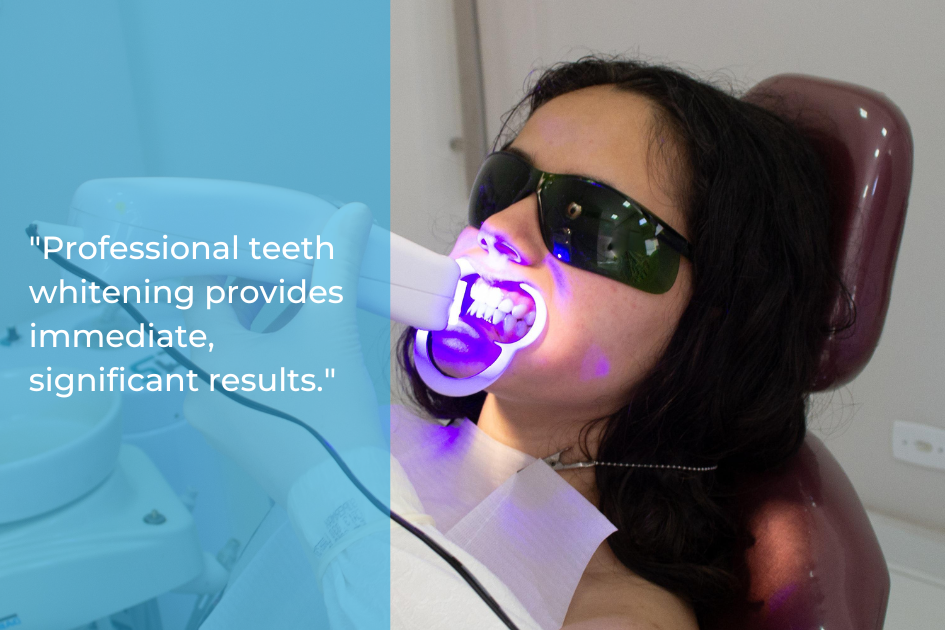
The beginning of a new year often comes with a desire for change. We refresh routines, set goals, and look for small upgrades that make a noticeable difference. For many people, a brighter smile sits high on that list. Professional teeth whitening offers one of the fastest, most visible ways to refresh your appearance without committing to invasive or irreversible treatment. Unlike store-bought kits, professional whitening is tailored to your teeth, your sensitivity level, and your shade goals, making results more predictable and comfortable.
Still, it’s fair to ask whether whitening is truly worth it, especially at the start of the year. How effective is it? Does it hurt? How long do results last? And how does professional whitening compare to over-the-counter options? Let’s break down what actually matters so you can decide whether whitening fits your goals, your comfort level, and your expectations.
Why Teeth Whitening Is Popular at the Start of the Year
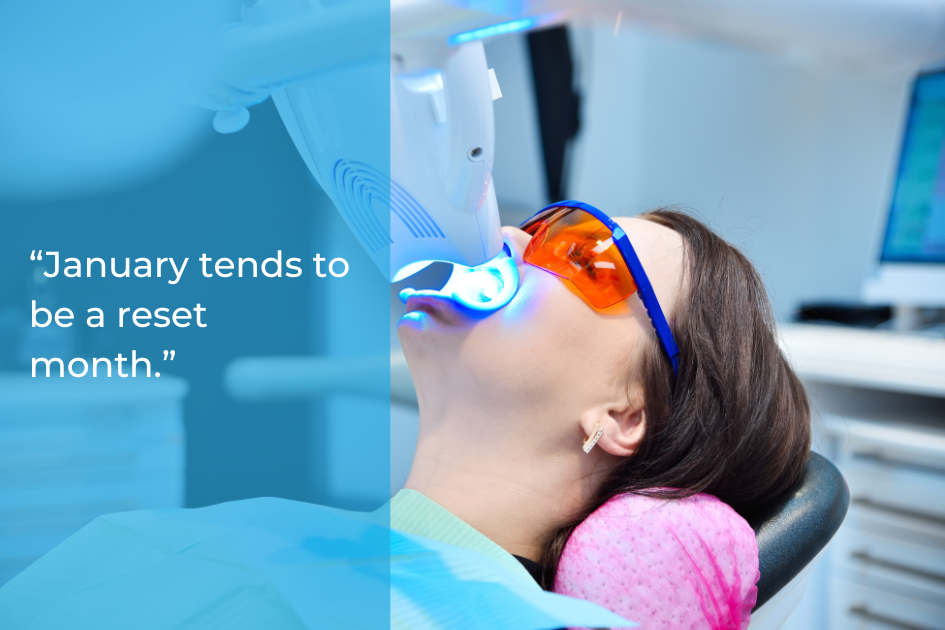
January tends to be a reset month. Many of us feel motivated to improve how we look and feel, and teeth whitening aligns naturally with that mindset. A brighter smile can subtly elevate your appearance in photos, meetings, and everyday interactions, which is especially appealing as social and professional schedules pick back up after the holidays.
Whitening also appeals because it delivers visible results quickly. Compared to other cosmetic dental treatments, it requires minimal time and no recovery period. For people who want improvement without disruption, whitening fits neatly into a new-year self-care routine. It’s a controlled, conservative option that enhances appearance without permanently altering tooth structure.
Another reason whitening feels timely in January is that teeth often accumulate more staining during the holidays. Dark beverages, rich foods, and relaxed routines can leave smiles looking duller than usual. Whitening offers a way to reverse that buildup and start the year feeling refreshed and confident.
What Causes Tooth Discoloration Over Time
To understand how whitening works, it helps to know why teeth lose brightness in the first place. Discoloration generally falls into two categories: surface stains and deeper internal changes.
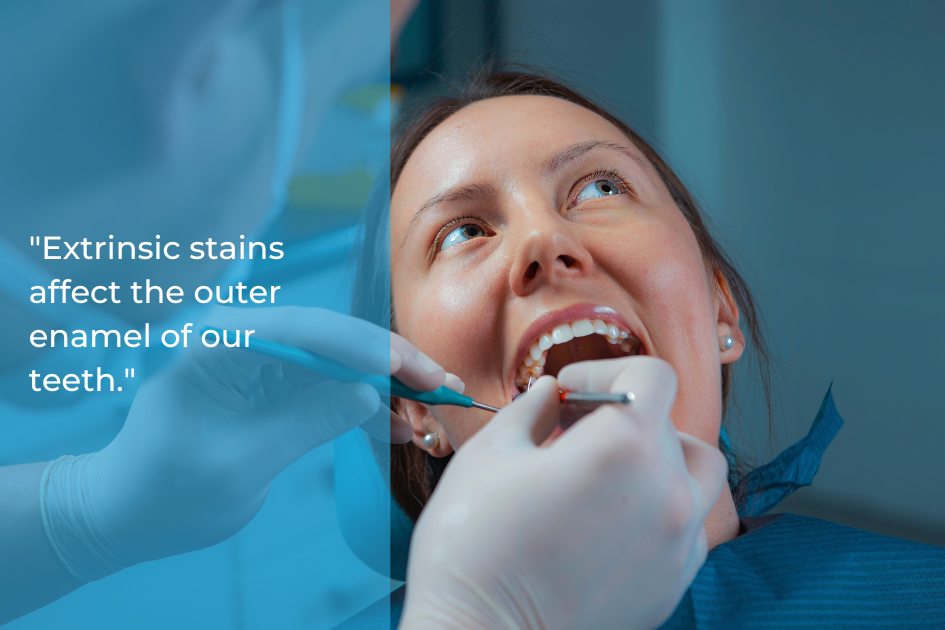
Surface stains develop when pigments from foods and drinks like coffee, tea, red wine, and berries cling to enamel. Plaque buildup and inconsistent oral hygiene can make these stains more noticeable. Over time, repeated exposure allows pigments to settle into microscopic grooves on the tooth surface.
Internal discoloration occurs as enamel naturally thins with age, allowing the darker dentin beneath to show through. Certain medications, trauma, or developmental factors can also affect tooth color from within. These deeper changes are not something brushing alone can fix.
Understanding the type of discoloration present is essential. Professional whitening targets stains effectively while preserving enamel health, whereas generic solutions often fail to address deeper or uneven discoloration.
Professional Whitening vs Over-the-Counter Options
At first glance, over-the-counter whitening products seem convenient and affordable. However, the differences between professional whitening and DIY options become clear when we look at control, safety, and predictability.
Professional whitening uses calibrated gels and carefully timed applications. Treatment strength is selected based on enamel condition and sensitivity risk, not guesswork. Custom trays ensure even contact with tooth surfaces while minimizing irritation to the gums.
Over-the-counter products rely on one-size-fits-all formulas. Strips may not fully adapt to tooth contours, leading to uneven results. Gels in generic trays can leak onto gums, increasing discomfort without improving outcomes.
Another major difference is expectation management. With professional whitening, shade goals are discussed upfront, and results are monitored. DIY products can vary widely, often leading to disappointment or overuse in pursuit of better results.
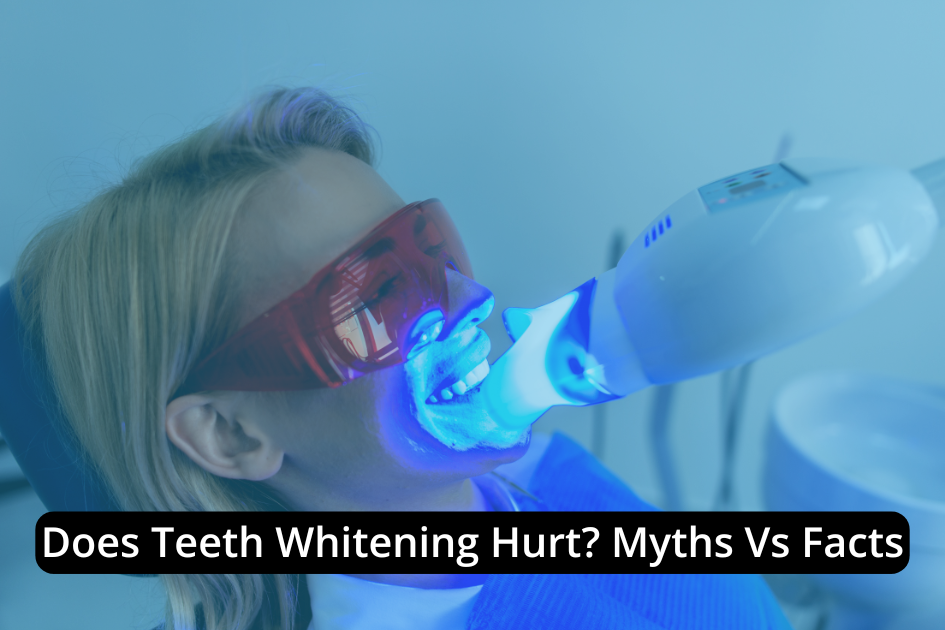
Does Professional Teeth Whitening Hurt?
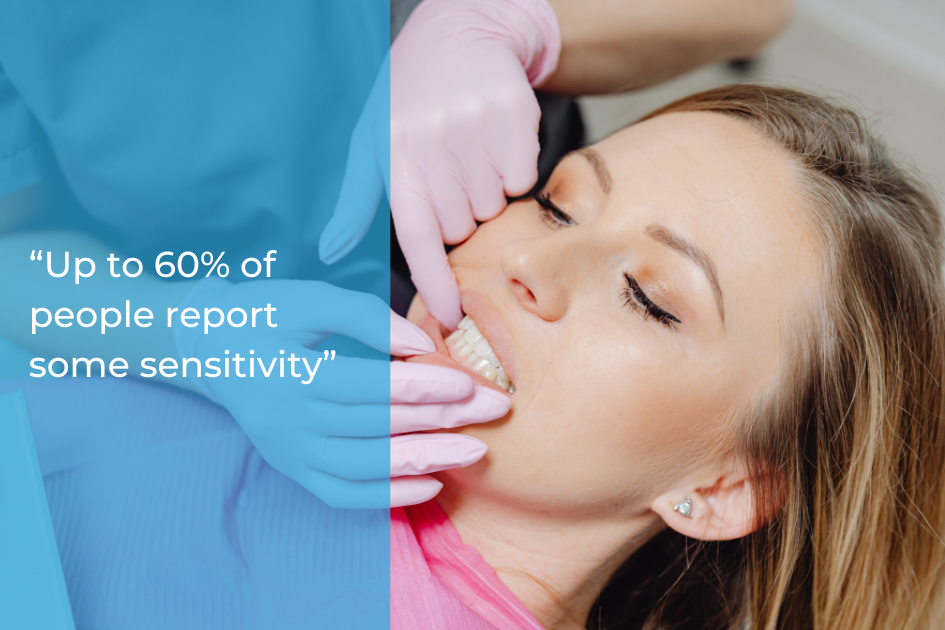
This is one of the most common concerns, and the short answer is that whitening can cause temporary sensitivity, but discomfort is usually mild and short-lived. Many people describe it as a quick, cold sensation that fades quickly.
Sensitivity happens when the whitening gel penetrates the enamel and stimulates the nerve inside the tooth. This doesn’t mean damage is occurring, and it certainly doesn’t mean whitening is working “better.” Pain is not a measure of effectiveness.
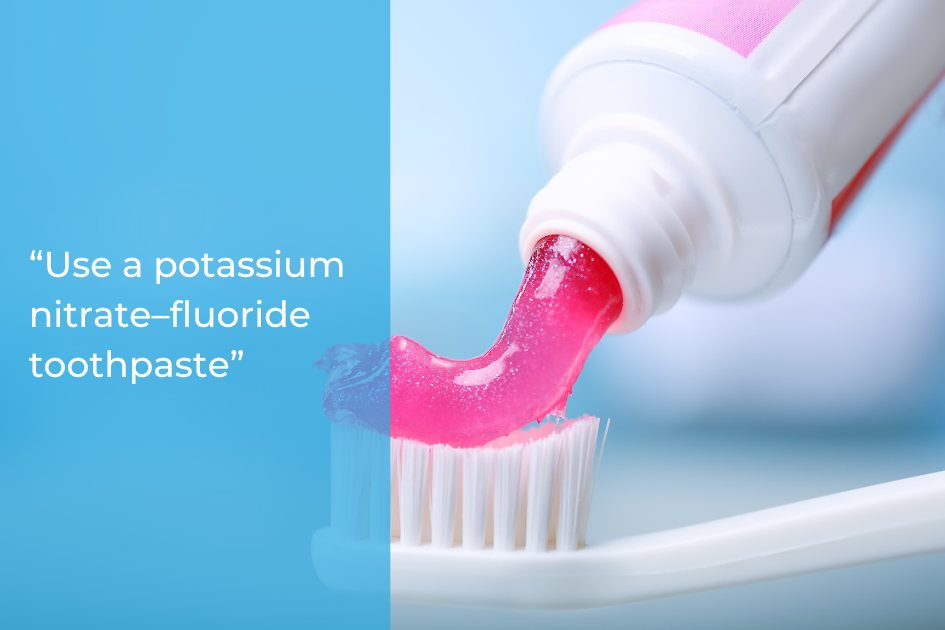
Professional whitening minimizes sensitivity through careful screening and technique. Teeth are evaluated for cracks, gum recession, or existing sensitivity before treatment begins. Gel strength, exposure time, and application methods are adjusted accordingly. Desensitizing agents, fluoride, or staged sessions may be used to keep nerves calm.
Most importantly, whitening is flexible. If sensitivity arises, treatment can be paused or modified. Comfort guides the plan, not bravado.
How Long Do Whitening Results Last?
Whitening is not permanent, but results can last several months to a year, depending on habits and maintenance. Diet plays a major role. Frequent consumption of coffee, tea, red wine, and deeply pigmented foods can shorten the lifespan of results.
Good oral hygiene helps preserve brightness. Regular brushing, flossing, and professional cleanings prevent stain buildup. Rinsing after dark beverages and using whitening-safe toothpaste can extend results further.
Touch-ups are often part of long-term success. Some people benefit from periodic at-home tray use or occasional in-office refreshers. The key is personalization. Maintenance plans should match lifestyle, enamel health, and aesthetic goals rather than follow a rigid schedule.
Who Is a Good Candidate for Teeth Whitening?
Not everyone is an ideal candidate for whitening, which is why evaluation matters. Whitening works best for people with healthy gums, intact enamel, and extrinsic staining from food or beverages.
Whitening may not be recommended if there are untreated cavities, active gum disease, significant enamel erosion, or extensive restorations that won’t change color. Certain internal stains also respond poorly to whitening and may require alternative cosmetic solutions.
Sensitivity doesn’t automatically rule someone out. It simply means whitening should be approached cautiously with added protective measures. The goal is always safe, predictable improvement rather than pushing teeth beyond what they can tolerate.
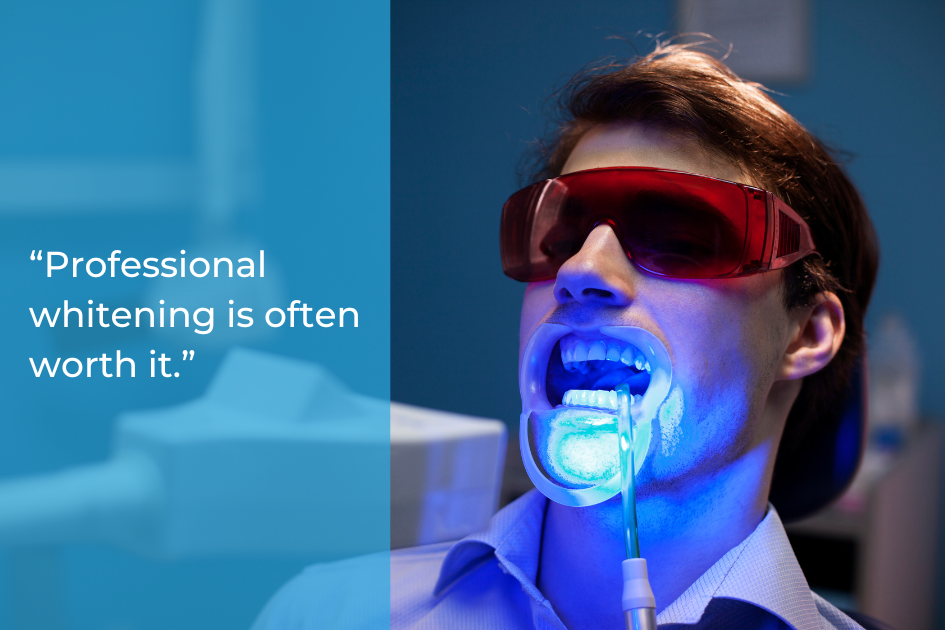
Is Whitening Worth It? Setting Realistic Expectations
Whether whitening is worth it depends on expectations. Whitening won’t change tooth shape or alignment, and it won’t make restorations lighter. What it does offer is a noticeable improvement in brightness that feels natural and controlled.
From a value perspective, professional whitening is one of the most conservative cosmetic options available. It preserves tooth structure, is reversible, and can serve as a stepping stone before considering more involved treatments.
Many people also find that whitening motivates better habits. A brighter smile often encourages consistent brushing, flossing, and mindful eating, which helps maintain results and overall oral health.
When expectations align with reality, whitening can be both satisfying and confidence-boosting.
Conclusion
At the start of a new year, professional teeth whitening can feel like a practical reset, not drastic, but meaningful. When guided by a dentist, whitening is safer, more comfortable, and more predictable than over-the-counter options. Understanding what causes discoloration, how sensitivity is managed, and how results are maintained helps set realistic expectations and better outcomes.
If you’re looking for a simple way to refresh your appearance and boost confidence without invasive treatment, professional whitening is often worth it. With proper screening, customized techniques, and thoughtful maintenance, results can be both noticeable and comfortable.
Ready to brighten your smile? Schedule a professional teeth whitening consultation with Austin Dental Center in Austin, TX, to find out if whitening is right for you and receive a personalized treatment plan designed around your goals.