
All of us should practice good oral hygiene habits in order to avoid cavities and gum disease. But if you have diabetes, you may have to pay even closer attention. Over the past several years, numerous studies have shown the link between periodontal disease and diabetes. Researchers have found that people with diabetes are 3 or 4 times more likely to develop gum disease. The reasons may not be immediately obvious, until you learn more about both ailments.
Diabetes Explained
People who suffer from diabetes are incapable of producing or properly using insulin, which is a hormone your body requires to convert foods to energy. In people without diabetes, insulin collects sugar from the person’s blood and transports it to the body’s cells, after which the body can use the sugar for energy. But people who have diabetes have difficulty producing and using insulin, which results in the body not getting the energy it needs and sugar staying in the bloodstream. That, in turn, leads to high blood sugar levels, which can result in a myriad of serious problems, such as heart disease, kidney disease, eye maladies, etc. Researchers estimate that about 20 million people in the U.S. have some form of diabetes – either type 1, type 2, gestational diabetes, or prediabetes. Of those, type 2 is the most common.
Periodontal Disease Explained
Periodontal disease (also known as gum disease) is a bacterial infection of the gum tissue. This infection is caused by a buildup of plaque under the gum line. Although there are several effective remedies and preventions for gum disease, if it goes untreated, it can lead to tooth loss. An estimated 65 million Americans suffer from gum disease.
The Connection
Gum disease can make it harder for the body to keep blood sugar levels under control, and that can result in an increase in blood sugar levels in these patients. This means that it is especially urgent for diabetic patients to rid themselves of gum disease – if they don’t, they will have a much more difficult time controlling their diabetes. These patients are often prescribed antibiotics in addition to other treatments they’ll undergo in order to eliminate periodontal disease.
If you are diabetic, be sure to let your dentist know and keep him or her informed about your disease and treatment. Likewise, you should tell your doctor if you are experiencing any stage of periodontal disease. If both of your medical providers are aware of the current state of your physical and oral health, they’ll be much more equipped to effectively treat both conditions.
 Sometimes it’s hard to tell whether the pain you’re experiencing is a toothache or sinus pressure. This is especially true during cold and flu season, and during those times of year when allergies are most common. In fact, your sinuses and your teeth are connected, so sinus issues can be related to tooth pain and vice-versa. There are, however, some ways to distinguish between the two.
 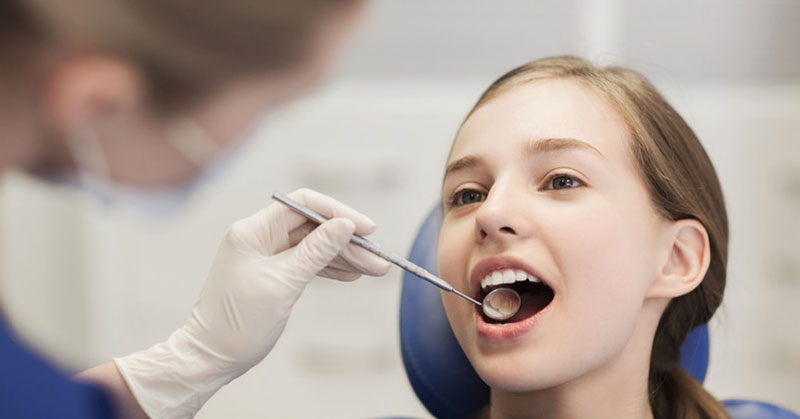 Most dentists would agree that one of the most important things you can do to maintain good oral health is to visit your dentist on a regular basis for professional dental cleanings. While brushing and flossing at home plays a vital role in good oral health, you’ll never be able to clean your own teeth as thoroughly as your dentist or a trained dental hygienist. When built-up tartar and plaque isn’t removed on a regular basis, it can lead to cavities and even gum disease. To help you prepare for your professional dental cleaning, we’ve put together a list of what you can expect during your visit.
 Most of us know how important it is to brush and floss your teeth every day and to visit your dentist for regular oral exams and professional cleanings. But one of the most important things you can do to maintain good oral health is by making the right food choices each and every day. Here are five foods that are not only delicious, but can also promote you and your family’s good oral health.