 Bacteria, known as Porphyromonas gingivalis, that causes periodontal gum disease alters the body’s immune system, which shuts down the normal functions in place that would otherwise kill the bacteria, according to new research from the Department of Pediatric Dentistry at the University of Alabama in Birhingham.
“Since greater than 50 percent of the U.S. population over 50 years-of-age develop adult periodontal disease, we hope that the results of our study will ultimately help in the development of novel treatments that could prevent or ameliorate the chronic infection caused by the pathogen P. gingivalis,'” said Jannet Katz, D.D.S., Ph.D., a researcher involved in the study.
Gum diseases, like periodontal disease, and the infections that cause them are often immensely troublesome to treat. Now, this new study, and other similar research, reveals just how problematic these bacteria are because they extend beyond the body’s built-in defenses, and actually manhandle our body’s immune system so they can survive, comments John Wherry, Ph.D., who is Deputy Editor of the Journal of Leukocyte Biology, where the study is published.
The study findings highlight the importance early prevention of periodontal disease or swift intervention to eradicate the bacteria through customized treatment procedures or invention of a effective periodontal disease bacteria vaccine.
One out of every two adults in America over the age of 30 have periodontal disease, reports the Centers for Disease Control and Prevention (CDC).
For more information, continue reading the full article.
Photo by: Fío dental / Certo Xornal / CC BY 2.0
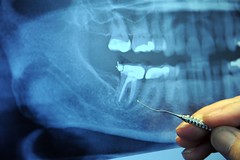 Periodontal disease is not a phrase that is as well known as gum disease, but it is a very common form of the problem, which occurs when the bacterial balance falls out of equilibrium. That is to say that when bad bacteria outweigh good bacteria in the mouth for an extended period of time, periodontal disease is allowed to spread. It causes inflammation, discomfort, and can even result in bone deterioration. If it is allowed to progress, it can even impact overall systemic health.