







 Periodontal disease, or gum disease, is a problem that is all too common in the U.S. In fact, a recent study by the CDC (Centers for Disease Control) concluded that half of all adults aged 30 and over in the U.S. suffer from gum disease.
If you’re one of those people, and if your disease has progressed to a certain point, surgery may be required in order to repair the damage to your gums. Fortunately, surgery isn’t always necessary.
If you’re in the early stages of periodontal disease, your dentist may recommend non-surgical methods to stop the progression of the disease and return your gums to a healthy condition.
Non-Surgical Options
- Regular dental cleanings:Your dentist may recommend a schedule of regular dental cleanings if you’re in the early stages of gum disease. These regular cleanings will remove plaque and tartar from above and below the gum line. Most dentists recommend that people without gum disease have their teeth cleaned twice a year. But if you suffer from the early stages of periodontal disease, your dentist will probably recommend that you have your teeth cleaned more often.
- Scaling and root planing:More advanced stages of gum disease may require scaling and root planing. This procedure, done under a local anesthetic, removes plaque and tartar both above and below the gum line. Rough spots on teeth are smoothed (or planed) during the process. This procedure is usually recommended for people with tartar buildup under the gums.
If you suffer from gum disease, talk to your dentist about which treatment may be right for you.
Source: WebMD http://www.webmd.com/oral-health/guide/gum-disease-treatments
Keep yr teeth clean in 2013 | Flickr – Photo Sharing! : taken from – http://www.flickr.com/photos/newrafael/8332093274/Author: newrafael http://creativecommons.org/licenses/by/2.0/deed.en


 Teeth whitening has become all the rage over the last few years. You can choose to whiten your teeth with over-the-counter products, or visit your dentist to have it professionally done.
 A gooey substance, similar to the slimy material marine mussels utilize to securely attach themselves to rocks and other surfaces has been found to help fight tooth sensitivity and assist in remineralizing teeth.
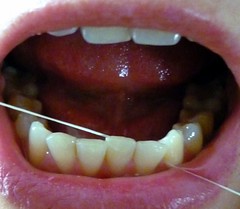 Bacteria, known as Porphyromonas gingivalis, that causes periodontal gum disease alters the body’s immune system, which shuts down the normal functions in place that would otherwise kill the bacteria, according to new research from the Department of Pediatric Dentistry at the University of Alabama in Birhingham.
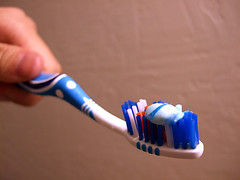 When you visit the oral care aisle at your local retail store, you are likely overwhelmed by the sheer number of toothpastes available today.
 Do you hide away in the morning hours?