







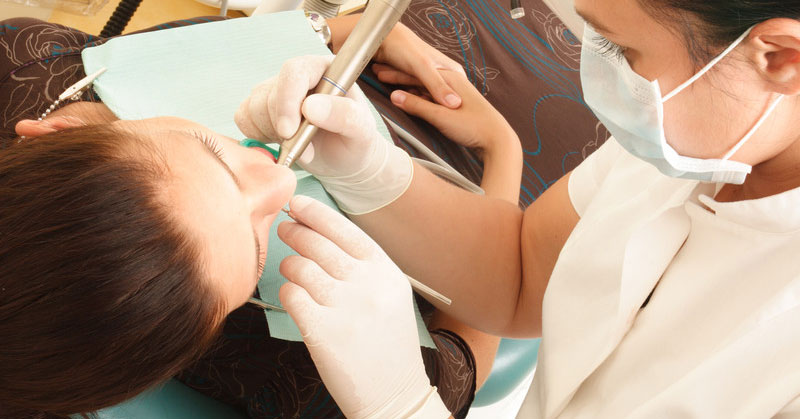
Recent studies indicate that over 64 million people in the U.S. have gum disease. That’s an alarming statistic considering the fact that gum disease is an entirely preventable and treatable condition. Gum disease (also known as periodontal disease) is a bacterial infection of the gum tissue, usually caused by a buildup of plaque under the gum line. Symptoms include bleeding gums, red and/or swollen gums, sore or tender gums, gums that start to pull away from teeth and/or recede, persistent bad breath, and – in the latter stages — loose teeth.
Even if you have a genetic predisposition toward forming gum disease, you can still avoid developing it by practicing good oral hygiene habits and visiting your dentist for regular professional exams and cleanings. But if you have already developed periodontal disease, you’ll have to have the condition treated before you can think about ways to prevent it from recurring in the future. In extreme cases, surgery may be required. But for most people with periodontal disease, there are nonsurgical methods that effectively treat and eliminate it.
- Deep cleaning: If your gum disease is caught in the very early stages, it may only require a deep cleaning at your dental office along with a vigorous oral hygiene routine at home to resolve the issue. Deep cleaning begins with scaling, a process that involves removal of plaque on the surface of each tooth and below the gum line. After the scaling process, root planing smoothes the surfaces of the teeth roots and makes it harder for plaque to develop there in the future.
- Antibiotics: If your periodontal disease has progressed, it may be hard for your dental provider to reach all the areas inside the mouth where bacteria has accumulated. In these instances, your dentist may prescribe an antibiotic paste or rinse to help get rid of the hard-to-reach bacteria. Typically, these antibiotic treatments are recommended only for a short period of time, after which the patient can return to a regular oral hygiene routine at home.
When it comes to periodontal disease, the best treatment is not to develop the condition in the first place. Preventing gum disease is really quite simple. Just brush your teeth at least twice a day and floss at least once a day. If you notice that your gums bleed when you floss or brush, you may want to floss more often than once a day, such as after each time you brush. You might also consider using an anti-gingivitis mouthwash. Talk to your dentist for more information about preventing gum disease.

 Sometimes it’s hard to tell whether the pain you’re experiencing is a toothache or sinus pressure. This is especially true during cold and flu season, and during those times of year when allergies are most common. In fact, your sinuses and your teeth are connected, so sinus issues can be related to tooth pain and vice-versa. There are, however, some ways to distinguish between the two.
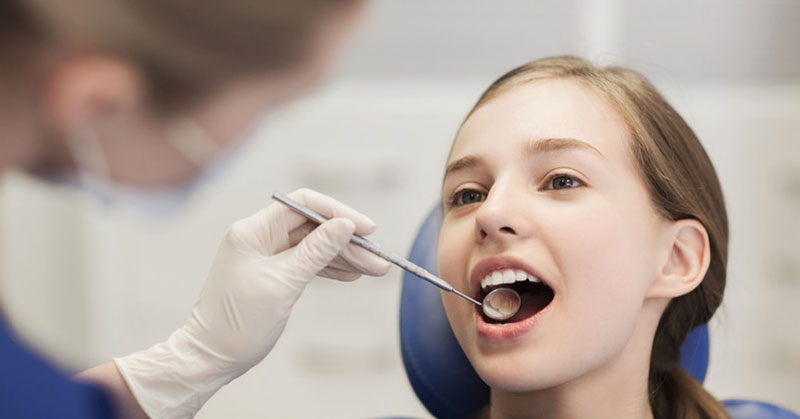 Most dentists would agree that one of the most important things you can do to maintain good oral health is to visit your dentist on a regular basis for professional dental cleanings. While brushing and flossing at home plays a vital role in good oral health, you’ll never be able to clean your own teeth as thoroughly as your dentist or a trained dental hygienist. When built-up tartar and plaque isn’t removed on a regular basis, it can lead to cavities and even gum disease. To help you prepare for your professional dental cleaning, we’ve put together a list of what you can expect during your visit.
 Most of us know how important it is to brush and floss your teeth every day and to visit your dentist for regular oral exams and professional cleanings. But one of the most important things you can do to maintain good oral health is by making the right food choices each and every day. Here are five foods that are not only delicious, but can also promote you and your family’s good oral health.