 Sometimes it’s hard to tell whether the pain you’re experiencing is a toothache or sinus pressure. This is especially true during cold and flu season, and during those times of year when allergies are most common. In fact, your sinuses and your teeth are connected, so sinus issues can be related to tooth pain and vice-versa. There are, however, some ways to distinguish between the two.
Sinus Pressure
Depending on the time of year, sinus pressure can be an all-too-common problem for many people. Sinus pressure is typically caused by allergies, a head cold, or a sinus infection. If you experience sinus pressure that goes away on its own within a few days, chances are it’s due to either allergies or a cold. A sinus infection, on the other hand, can last for several weeks and may need to be treated by your doctor. No matter what is causing sinus pressure, the symptoms are usually the same. Those include:
- A headache, particularly around the nose, forehead and eyes, and sometimes spreading into the teeth or jaws
- A sore throat caused from post-nasal drip
- Coughing
- Sinus discharge that is yellow-green in color
Toothaches
If you experience tooth pain without any of the symptoms associated with sinus pressure, it’s probably caused by some kind of oral issue. Any type of persistent toothache should be checked by your dentist. A dental X-ray can determine quickly if your toothache is due to a cavity or some other oral problem. Some toothaches can be severe and even spread into the jaw. A severe toothache could be an indication of tooth decay that has developed into an infection. And pain in the jaw may be related to the TMJ (temporomandibular joint). TMJ issues can also be treated by your dentist, so it’s best to see your dentist right away with any type of oral pain.
It’s also important to remember the connection between your sinuses and your teeth. If you have an infection in either your teeth or your sinuses, that can result in an infection in the other. A sinus infection, for example, can affect your oral health. And when tooth decay is left untreated, it can have a negative impact on your sinuses and your overall health. When in doubt, remember that any type of chronic pain should be discussed with your dentist or doctor, just to be on the safe side.
 Most dentists would agree that one of the most important things you can do to maintain good oral health is to visit your dentist on a regular basis for professional dental cleanings. While brushing and flossing at home plays a vital role in good oral health, you’ll never be able to clean your own teeth as thoroughly as your dentist or a trained dental hygienist. When built-up tartar and plaque isn’t removed on a regular basis, it can lead to cavities and even gum disease. To help you prepare for your professional dental cleaning, we’ve put together a list of what you can expect during your visit.
 Most of us know how important it is to brush and floss your teeth every day and to visit your dentist for regular oral exams and professional cleanings. But one of the most important things you can do to maintain good oral health is by making the right food choices each and every day. Here are five foods that are not only delicious, but can also promote you and your family’s good oral health.


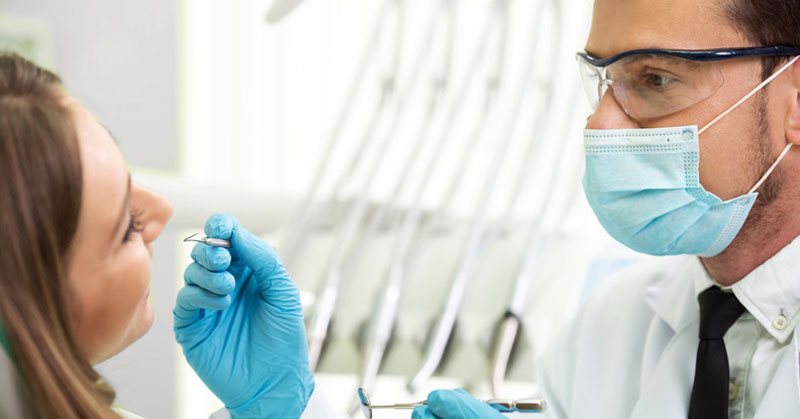 You know that your dentist is an expert at looking at teeth and telling whether or not you’ve been brushing, flossing, and rinsing with mouthwash regularly. What you might not realize is that your dentist can also tell a lot about your overall health just by inspecting your teeth.