We usually need a root canal when the tooth’s pulp is inflamed or infected, and symptoms like lingering pain, heat or cold sensitivity, swelling, or a pimple on the gum point to that process. If we wait, bacteria can spread deeper into the root and surrounding bone, increasing pain and the risk of abscess, tooth fracture, or extraction. The key question is how to tell when it’s urgent, and when it’s already late.
What Is a Root Canal and Why Is It Performed
When bacteria reach the tooth’s pulp through deep decay, cracks, or trauma, the tissue can become inflamed or infected and trigger pain, sensitivity, or swelling. In a root canal, we remove the damaged pulp, disinfect the canal system, and seal the space to stop infection from progressing. The goal is to eliminate infection and preserve your natural tooth so it can function normally.
Understanding Tooth Infection (Pulp Damage)
Although the enamel and dentin look solid, infection or trauma can reach the tooth’s pulp (the inner tissue containing nerves and blood vessels) and trigger inflammation, pain, and progressive tissue breakdown. Understanding tooth anatomy helps us explain infection types: deep decay, cracks, or periodontal spread can compromise pulp health. We’ll use diagnostic tools like cold testing, percussion, and X-rays to confirm the source and extent. Early pain management may include analgesics and avoiding biting pressure, but symptoms can fluctuate. Treatment options depend on severity and your overall dental hygiene. Recovery timeline expectations vary with swelling and reinfection risk.
The Goal of Root Canal Treatment
Because pulp infection can’t reliably heal on its own, we perform a root canal to remove inflamed or infected pulp tissue, disinfect the canal system, and seal the space to stop bacteria from re-entering. We do this to preserve your natural tooth, resolve pain and swelling, and prevent the spread of infection to the surrounding bone. These root canal benefits are well supported by outcomes data, with high long-term success when the tooth is properly restored. Common treatment misconceptions include that root canals “kill” teeth or cause severe pain; with local anesthesia and modern technique, most patients report discomfort similar to a filling.
Signs You May Need a Root Canal
We’ll start by reviewing common symptoms that often indicate pulp inflammation or infection, such as spontaneous toothache (especially at night), pain with chewing pressure, and heightened hot/cold sensitivity. We’ll also cover less obvious warning signs, including tooth discoloration and localized gum swelling or a pimple-like bump that can signal drainage. If you notice any of these findings, we should evaluate the tooth promptly to limit progression and reduce the risk of tooth loss.
Common Symptoms to Watch For
When should we suspect a tooth problem has progressed beyond a routine cavity and may require a root canal? We should watch for persistent, throbbing pain that disrupts sleep, sharp pain on chewing, or escalating tooth sensitivity to hot or cold. Obvious infection signs include gum swelling, a pimple-like bump, foul taste, or drainage. We should also note tooth discoloration or pain after dental trauma. While pain management can help temporarily, it doesn’t remove the infection. With good dental hygiene, we can reduce risk, but symptoms warrant evaluation of treatment options focused on patient comfort and a predictable healing process.
Less Obvious Warning Signs
Although severe pain gets most of the attention, a root canal can become necessary even with subtle changes we might dismiss as minor. We should watch for hidden indicators that suggest pulp inflammation or infection, even when discomfort is brief or absent. Subtle symptoms often track with deep decay, microcracks, or prior restorations, and they warrant timely evaluation and radiographs.
- New, localized heat sensitivity lingering after the stimulus
- A “high” bite feeling without an obvious fracture
- Dull pressure that comes and goes
- Gum tenderness near one tooth without swelling
- Unexplained tooth darkening or translucency
Common Causes of Tooth Infection
Tooth infection typically starts when oral bacteria gain access to the pulp, and we often see this after untreated cavities. We also see infections develop when cracks, chips, or other tooth damage create pathways for bacteria, even if the defect looks minor. Repeated dental procedures or dental trauma can further irritate or expose the pulp, increasing the risk of inflammation and infection that may require root canal treatment.
Untreated Cavities
Because cavities don’t heal on their own, untreated decay can progress through enamel and dentin into the pulp, allowing bacteria to trigger inflammation and deep infection. When you delay care for untreated cavities, we often see predictable dental consequences: worsening pain, pulpal necrosis, and spread of infection beyond the tooth. Early detection and restoration usually stop disease progression; waiting increases the likelihood you’ll need endodontic therapy.
- Prolonged cold or heat sensitivity
- Pain on biting or chewing
- Spontaneous, throbbing toothache
- Gum swelling or tenderness
- Drainage or bad taste from a sinus tract
Cracks, Chips, and Tooth Damage
When a crack, chip, or fracture disrupts the enamel and dentin, bacteria can track into microscopic gaps and reach the pulp, where they trigger inflammation and infection. Even small defects can undermine tooth integrity because saliva and biofilm penetrate surfaces that brushing can’t seal. After dental trauma, the pulp’s blood supply may be compromised, increasing necrosis risk and lowering the threshold for infection. You may notice sharp pain on biting, thermal sensitivity, or localized swelling. If symptoms persist or radiographs show pulpal involvement, we’ll often recommend root canal therapy to eliminate infection while preserving the tooth.
Repeated Dental Procedures or Trauma
Although each filling or crown aims to restore function, repeated dental procedures or a significant trauma like a hard hit or fall can cumulatively irritate the pulp and compromise its blood supply. When inflammation persists, bacteria can colonize the root canal system, raising the risk of irreversible pulpitis and infection. We’ll watch closely if you’ve had repeated trauma or extensive dental procedures on one tooth, especially when symptoms escalate. Key clinical indicators include:
- lingering thermal sensitivity
- pain on biting or percussion
- new discoloration
- swelling or a draining sinus tract
- radiographic periapical changes
What Happens During a Root Canal Procedure
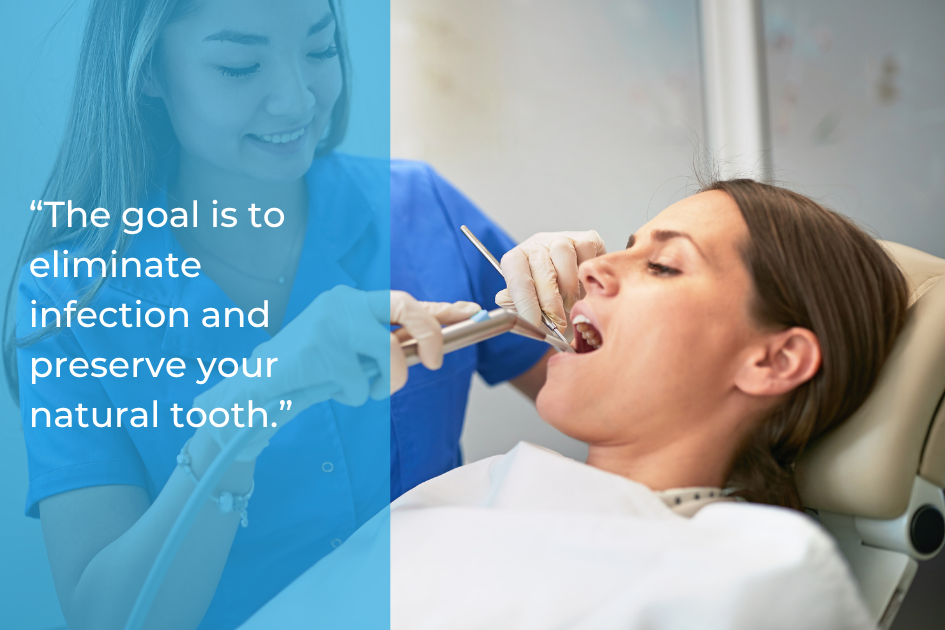
We’ll walk you through a step-by-step root canal procedure, from local anesthesia and rubber dam isolation to pulp removal, canal disinfection, and temporary sealing. We’ll also explain how we restore the tooth afterward, typically with a permanent filling and, when indicated, a crown, to reestablish strength and function. We’ll focus on what you can expect at each phase and how these steps support predictable outcomes.
Step-by-Step Overview
Because comfort and infection control guide every step, we start a root canal by numbing the area with local anesthetic and isolating the tooth with a rubber dam to keep it dry and reduce contamination. Next, we create a small access opening, remove inflamed pulp, and measure canal length with electronic and radiographic methods. We shape canals with sterile files, irrigate with disinfectants, and confirm cleanliness. Then we fill the canals with gutta-percha and sealer to prevent reinfection, addressing root canal myths and patient misconceptions with data. Key steps include:
- anesthesia
- isolation
- debridement
- disinfection
- obturation
Restoring the Tooth After Treatment
A root canal isn’t complete until we restore the tooth’s structure and seal it against reinfection. After the canals are filled, we place a definitive coronal seal to block saliva and bacteria. Depending on remaining tooth substance, tooth restoration may be a bonded filling, an onlay, or a full-coverage crown; posterior teeth often need cuspal coverage to reduce fracture risk. If we used a temporary filling, we would replace it promptly to prevent leakage. For post-treatment care, we’ll ask you to avoid chewing on the tooth until restoration is placed and maintain routine hygiene and follow-up.
Does a Root Canal Hurt?
With modern local anesthesia, most patients report that a root canal feels similar to getting a filling, with pressure but not sharp pain. We’ll separate what you’re feeling before treatment, often from inflamed or infected pulp, from what you may feel after, which is usually mild, short-lived soreness as the tissues heal. We’ll also outline what’s typical, what isn’t, and when post-treatment pain should prompt a call.
What Patients Actually Experience
For most patients, a root canal doesn’t hurt in the way the infected tooth already does. We numb the area with local anesthetic and monitor comfort throughout, so the patient’s experience often resembles a routine filling. We address treatment anxiety with clear steps, breaks, and consent checks. You’ll typically notice:
- Pressure, not sharp pain
- Rubber dam isolation for dryness
- Brief vibration from instruments
- Irrigation taste or mild odor
- Jaw fatigue from holding open
We’ll pause if you feel sensation, add an anesthetic when needed, and keep communication continuous to maintain predictable comfort.
Pain Before vs After Treatment
Although the pain that brings you in can feel intense and unpredictable, we use local anesthetic and careful canal disinfection to shift pain from inflammatory “throbbing” before treatment to mild, short-lived soreness afterward. Before treatment, pressure in the infected pulp can trigger sharp pain to heat, cold, or biting. During treatment, you should feel vibration and pressure, not pain; we adjust anesthesia promptly. Afterward, tissues around the root may feel tender for 24–72 hours, usually controlled with evidence-based pain management (NSAIDs when appropriate). Treatment duration varies by tooth and infection severity.
What Happens If You Delay a Root Canal
If we delay a root canal, we allow the underlying pulp infection to progress and spread through the root canal system into surrounding tissues. As the inflammation advances, we can expect increased pain, pressure sensitivity, and swelling. Without timely treatment, the risk of abscess formation rises, and we may ultimately face tooth loss or the need for extraction.
Infection Progression
Once bacteria reach the dental pulp, infection can spread beyond the root canal system and intensify quickly. If we wait, we typically see predictable infection stages and delayed consequences that increase treatment complexity and risk.
- Pulpitis can progress to pulp necrosis
- Microbes can extend to periapical tissues
- Local bone resorption may begin around the root apex
- A periapical radiolucency may become detectable on imaging
- Drainage tracts or localized abscess formation can develop
We can’t rely on symptoms alone; infection may advance silently. Early endodontic care limits microbial load and preserves surrounding structures.
Increased Pain and Swelling

As the infection builds in and around the tooth, we typically see pain intensify, and soft-tissue swelling become more likely. You may notice throbbing, pressure, and sharp pain with chewing, along with heightened heat/cold sensitivity. Inflammation can spread into the gums or face, limiting mouth opening and making sleep difficult. While OTC analgesics may support short-term pain management, they don’t eliminate the source, so symptoms often rebound between doses. Cold compresses and anti-inflammatories can aid swelling reduction, but definitive endodontic treatment is what stops ongoing tissue irritation and helps restore comfort.
Risk of Abscess and Tooth Loss
Delaying a needed root canal lets bacteria continue moving through the root canal system and into the tissues around the tooth, which raises the risk of a periapical abscess. As pressure builds, we can see swelling, drainage, and systemic spread in susceptible patients. These abscess risks also increase the chance that we can’t achieve tooth preservation because bone support and tooth structure deteriorate. Waiting often shifts treatment from endodontic therapy to extraction. Watch for:
- gum pimple or drainage
- facial swelling
- fever or malaise
- worsening bite pain
- radiographic bone loss
Can an Infected Tooth Heal on Its Own?
An infected tooth won’t heal on its own because bacteria can persist inside the pulp and root canal system, where your immune response and topical remedies can’t reliably eradicate them. You might feel temporary relief when inflammation fluctuates or when pain medication reduces symptoms, but the infection can still progress silently. We’ll explain how to tell symptom improvement from true resolution and why definitive dental treatment is often required.
Why Infection Does Not Go Away Naturally
Even if tooth pain seems to fade, an infected tooth won’t heal on its own because bacteria remain trapped inside the sealed root canal system, where blood flow and immune cells can’t reliably reach and eliminate them. That anatomy drives infection persistence and blocks natural healing. We can’t “flush out” these microbes with home care because they reside within dentin tubules and necrotic pulp, protected by biofilm. Over time, toxins diffuse through the root tip and sustain inflammation in the surrounding bone. Key reasons include:
- Limited internal circulation
- Biofilm resistance
- Dentin tubule shelter
- Ongoing toxin release
- Progressive tissue breakdown
Temporary Relief vs Real Treatment
Many people feel an infected tooth “gets better” when pain briefly eases after taking ibuprofen, antibiotics, or when the nerve tissue dies, but that’s temporary relief—not resolution. Pain can drop while bacteria and inflammatory byproducts persist inside the pulp space or around the root tip. Antibiotics may reduce swelling, yet they rarely sterilize a necrotic canal without cleaning and sealing it. If we wait, the infection can spread to the bone, form an abscess, or enter the bloodstream. That’s why we recommend real treatment: root canal therapy or extraction, to prevent real consequences.
Benefits of Early Root Canal Treatment
When we treat an infected or deeply decayed tooth early with a root canal, we can often save your natural tooth and preserve normal function. Early intervention removes the infected pulp and seals the canal system before bacteria spread, which helps prevent progressive structural damage and abscess formation. By controlling the infection sooner, we can also reduce the likelihood you’ll need more complex procedures later, such as retreatment, surgery, or extraction with replacement.
Save Your Natural Tooth
Because infection and inflammation can spread beyond the pulp, treating the problem early with a root canal often lets us preserve your natural tooth instead of replacing it. This approach supports tooth preservation by maintaining your bite forces and natural chewing efficiency. With modern anesthesia and isolation, we can clean, disinfect, and seal canals predictably, with success rates near 90–95% when follow-up care is appropriate. You’ll help outcomes by keeping strong dental hygiene and routine exams. Early care typically means:
- less structural loss
- fewer cracks
- better crown fit
- stable occlusion
- longer tooth survival
Prevent Further Damage
With early root canal treatment, we can stop a pulp infection before it spreads deeper into the root canal system and surrounding bone. By removing inflamed tissue, disinfecting the canals, and sealing the space, we reduce bacterial load and limit ongoing inflammation. This helps prevent abscess formation, periodontal breakdown, and progressive bone loss around the tooth’s apex. Acting promptly also protects remaining tooth structure from weakening due to uncontrolled decay and internal damage. As preventive measures, we’ll assess cracks, restore the access cavity, and recommend hygiene steps that support healing. Early intervention improves tooth preservation outcomes and comfort.
Reduce Future Treatment Needs
Although symptoms can seem manageable at first, we reduce the likelihood of more extensive care later by treating the infection early with a root canal. Early intervention limits bacterial spread, supports preventative care goals, and preserves tooth structure, so you’re less likely to need complex procedures. Prompt treatment can also shorten recovery and stabilize function, especially when combined with consistent dental hygiene and recall exams. We’re aiming to prevent escalation to:
- abscess drainage
- repeat endodontic therapy
- periodontal treatment
- extraction and implant
- bone grafting
Recovery and Aftercare Following a Root Canal

After a root canal, we’ll tell you what to expect over the next few days, including mild tenderness with biting and temporary sensitivity as the tissues heal. We’ll outline practical, evidence-based steps you can take to support recovery, such as appropriate analgesic use and avoiding heavy chewing on the treated tooth until it’s definitively restored. We’ll also explain why timely follow-up care and final restoration are critical to confirm healing, reduce reinfection risk, and protect the tooth long term.
What to Expect After Treatment
Because modern root canal therapy uses local anesthetic and careful canal disinfection, most of us can expect a straightforward recovery with mild, short-term tenderness rather than severe pain. Normal post-treatment sensations include pressure sensitivity, low-grade aching, and transient numbness as anesthesia wears off. We should contact our dentist if symptoms escalate or persist. Expect a follow-up to place a definitive restoration, often a crown, to prevent fracture and reinfection. For long-term care, we’ll rely on routine exams and radiographs to confirm healing.
- Mild tenderness to biting
- Temporary numbness
- Gum soreness
- Brief swelling
- Rare flare-ups
Tips for Healing
Once the numbness wears off, we can speed healing and reduce flare-ups by protecting the treated tooth, controlling inflammation, and keeping the area clean. For 24–48 hours, we’ll chew on the opposite side and avoid hard or sticky foods that can dislodge a temporary filling. We can use ibuprofen or acetaminophen as directed to reduce post-procedure soreness and swelling. We’ll brush and floss normally, but we’ll be gentle near tender gums and rinse with warm salt water if irritated. These healing tips and recovery strategies support predictable comfort and tissue healing.
Importance of Follow-Up Care
Although most people feel better within a day or two, we still need follow-up care to confirm the canal system stays sealed, symptoms keep improving, and the tooth receives a definitive restoration (often a crown) before it fractures or reinfects. We’ll schedule follow-up appointments to evaluate bite, healing, and radiographic changes. Keep dental hygiene consistent to reduce bacterial load and prevent recurrent decay around the restoration. Contact us promptly if pain worsens or swelling returns. Focus on:
- take prescribed meds as directed
- avoid chewing hard foods on that tooth
- brush and floss daily
- attend crown placement promptly
- report fever, drainage, or swelling
Conclusion
When we diagnose pulp inflammation or infection early, we can often preserve your natural tooth with a root canal rather than risk escalating pain or tooth loss. This supports tooth preservation and reduces complications that make treatment longer or more invasive. Root canals are safe, effective, and typically comfortable with local anesthetic, even for patients with dental anxiety. Waiting can allow infection to spread, worsen swelling, and increase the chance you’ll need extraction. If you have lingering sensitivity, spontaneous pain, discoloration, or gum swelling, we should evaluate promptly. Schedule an evaluation with Austin Dental Center in Austin, TX.